project
LunarACT
Lunar Habitat ACT — a virtual testbed for visualising how a Moon base is built, how it works, and how its modules coordinate. Build the Moon from the Moon.
Explore the live base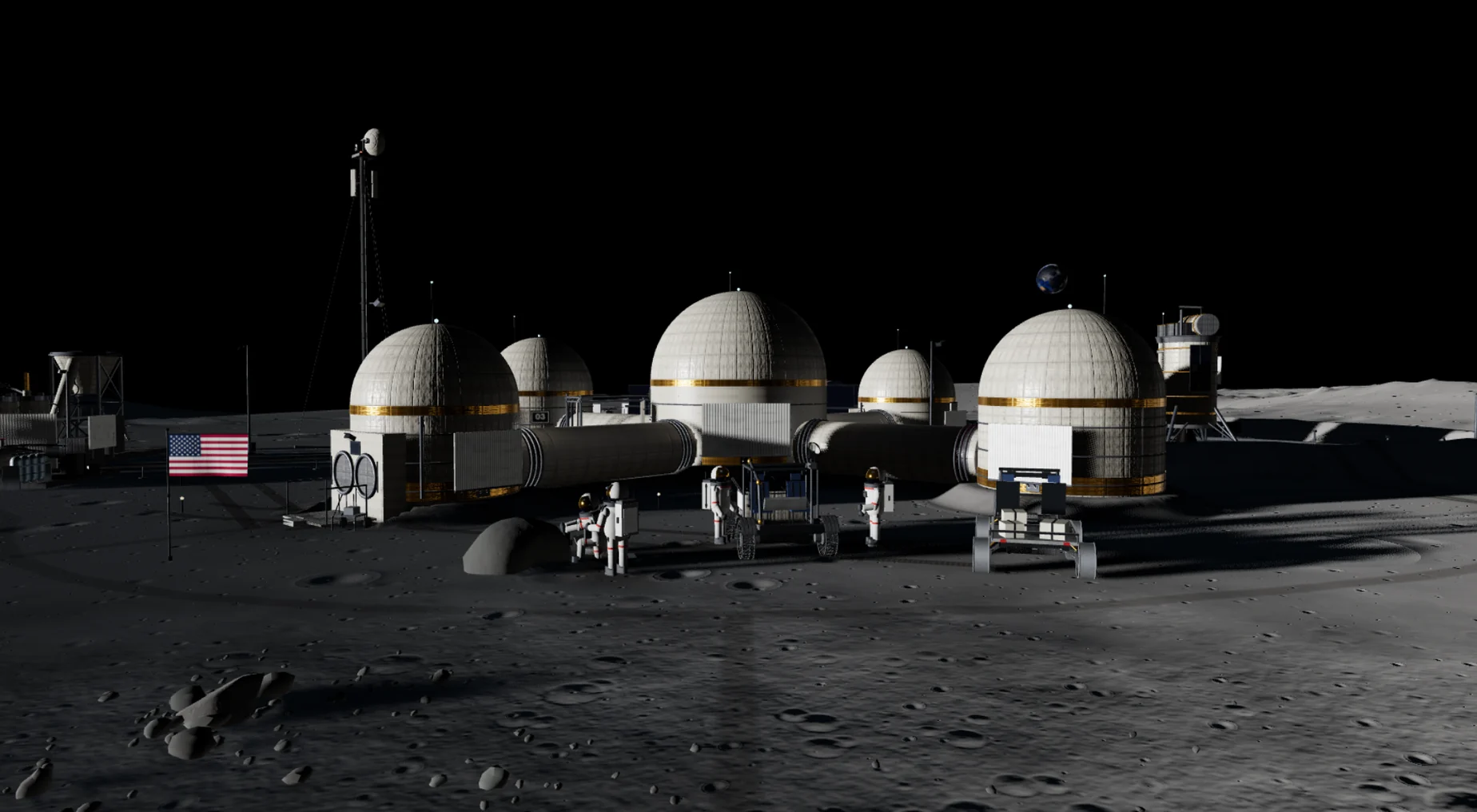
A Base That Builds the Mission
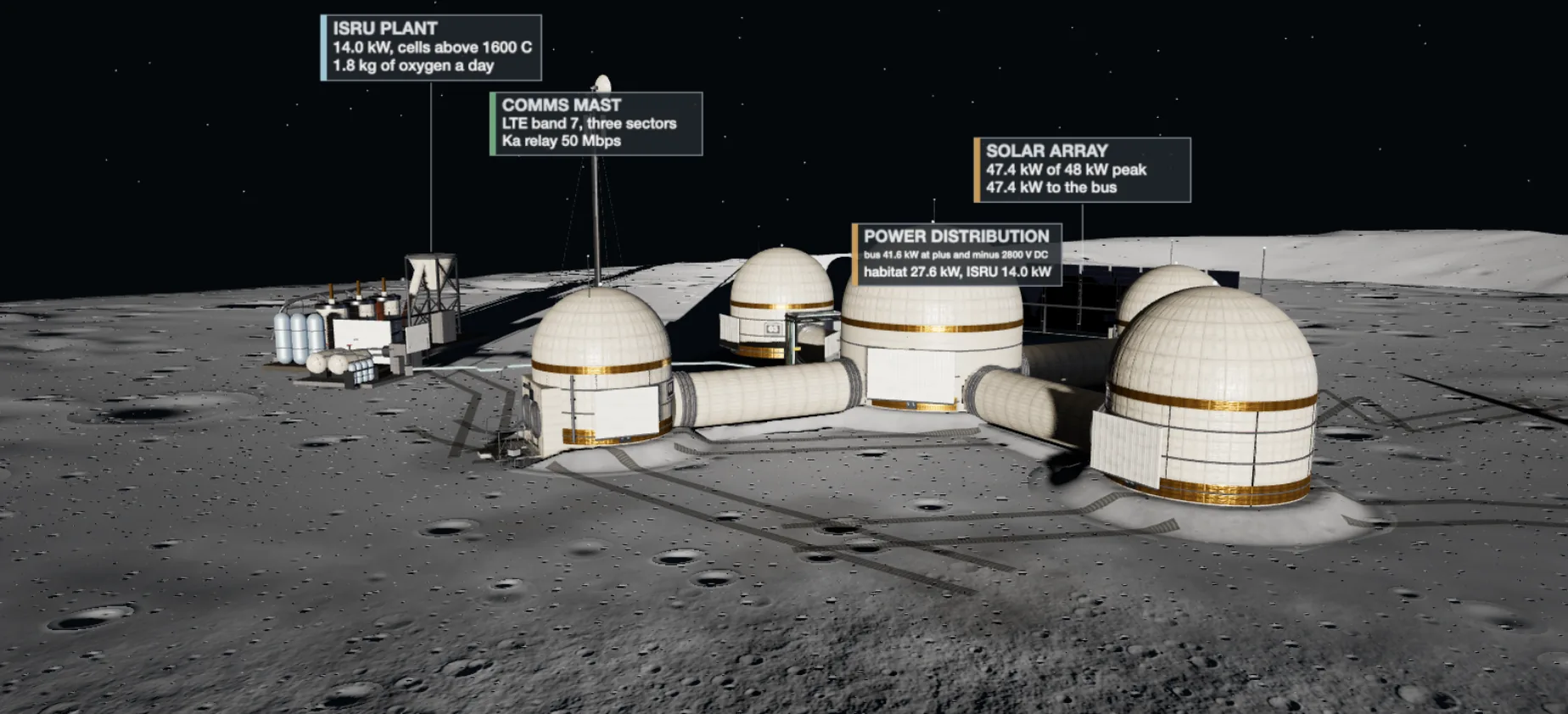
The habitat keeps four people alive so they can build the rest of the mission — a landing pad, road, berm, and the next habitat, all from lunar material. LunarACT compiles and cross-checks published agency, peer-reviewed, and analog-station data into a single design you can tour in the browser or a headset, with an exploded 3D view of every system. A study by Compassion8Innovation in collaboration with the Mars Technology Institute.
4
Crew · 180-day rotation
372 m³
Pressurised across 5 modules
85%
Daily consumables closed on site
12
Engineering subsystems
Hub-and-Spoke Base
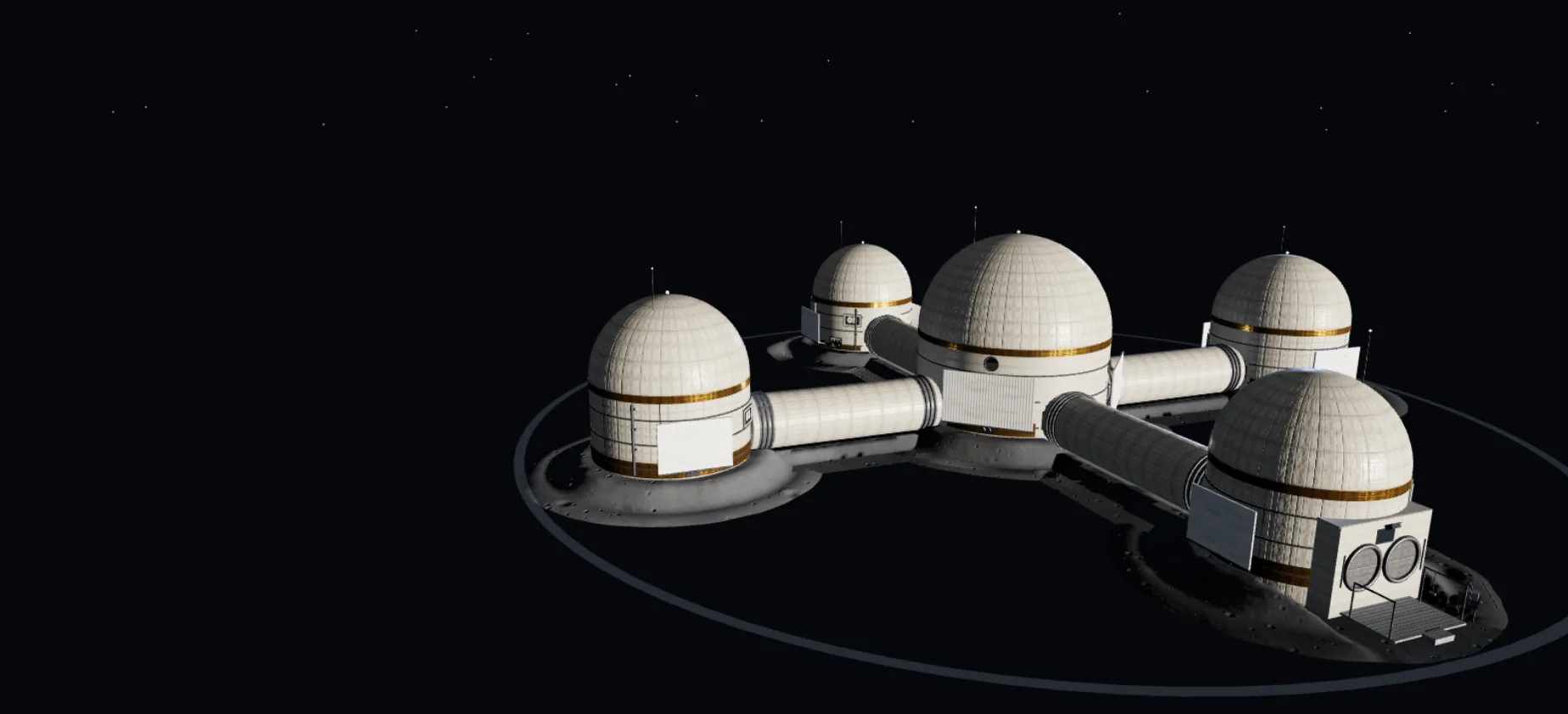
Five modules in a hub-and-spoke layout, so any module can be sealed off from the rest.
Built from Regolith
In-situ resource utilisation makes oxygen from lunar soil, paying back its landing cost in about 1.7 years.
Designed to Survive
A dust-control airlock and a water-jacketed storm shelter protect the crew through solar particle events.
Built in Four Increments Over Six Years
Each increment leaves a working base, starting with a laser-sintered landing pad.
Years 0 – 1.5
Landing & launch pad
A laser fuses regolith into a sintered pad, and the five habitat modules land on it.
Years 1.5 – 3
Shielding, berms, array & ISRU
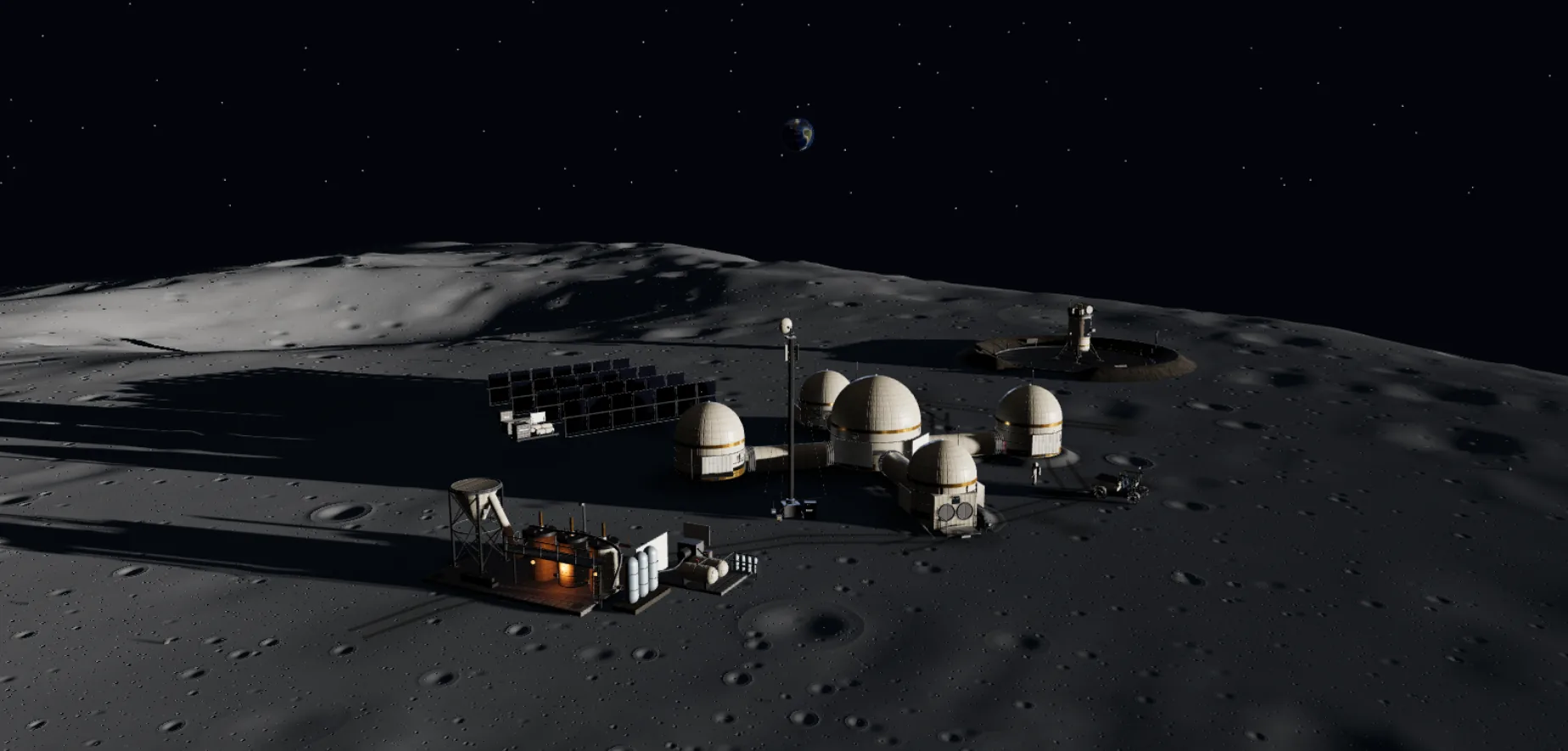
Blast berms and sintered pavers go up, regolith shielding is placed over the modules, and the solar array and ISRU plant are installed.
Years 3 – 4.5
Fission unit, roads & full greenhouse
Sintered roads link the pad, plant, and excavation face; a fission surface power unit comes online; the greenhouse reaches full yield.
Years 4.5 – 6
Printed pressure shell trial
A printed structure is tested as a pressure vessel — a step toward making habitat volume on site instead of launching it from Earth.
Twelve Engineering Subsystems
Each documented and cross-checked against agency and peer-reviewed sources.
From the Design
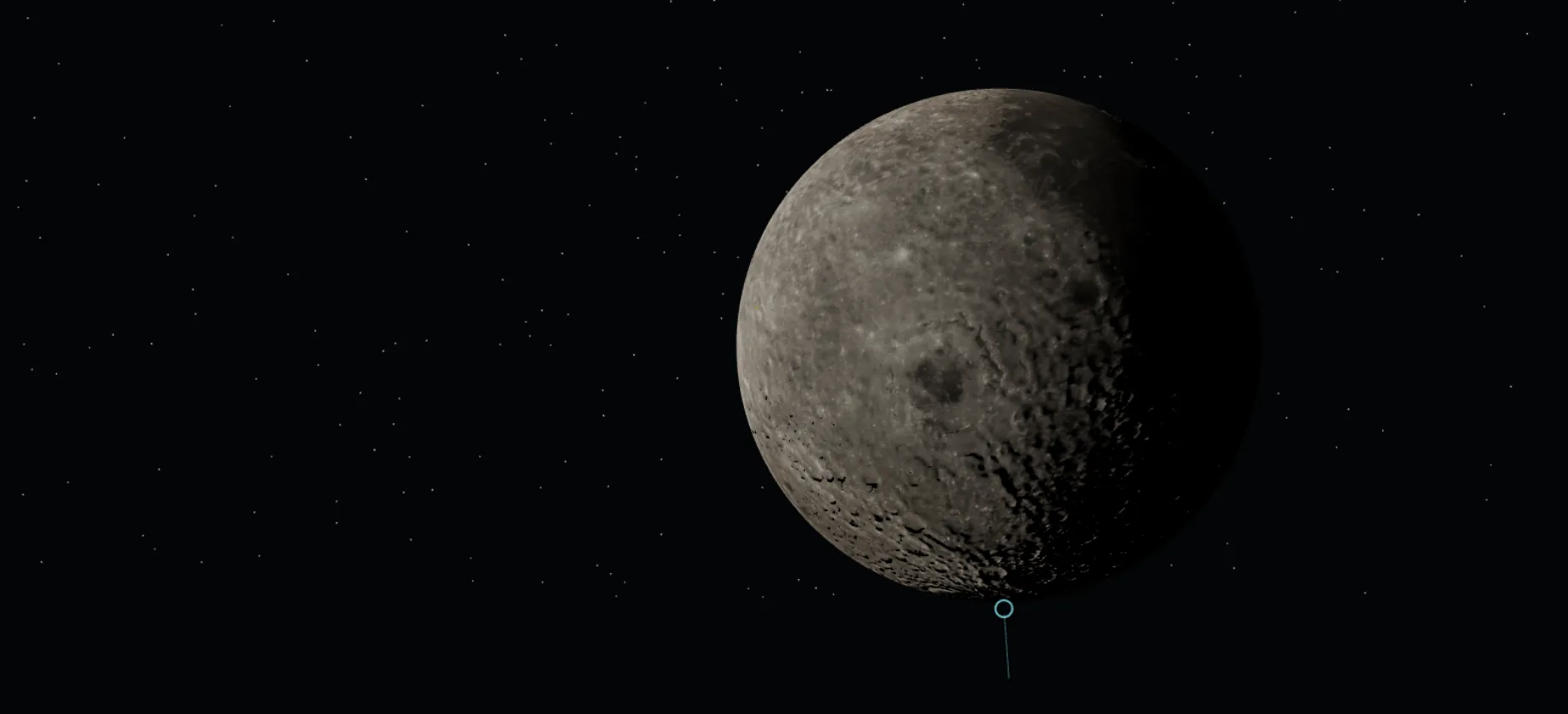
Overview, modules, site plan, and systems — a glimpse of the full interactive tour.
Learning the Moon base? Habitact Academy turns it into a free mission for students.